
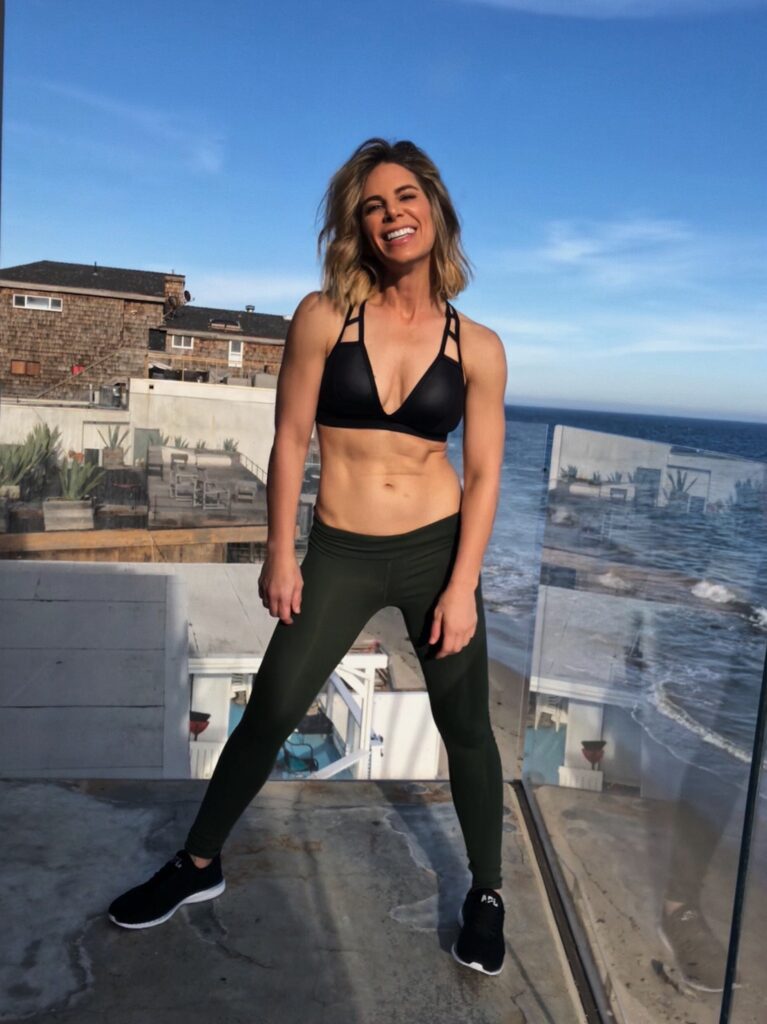
So, guess what? Jillian Michaels is back in the spotlight this year: there’s this new Netflix doc about “The Biggest Loser,” she’s chatting with media folks, and she’s getting into some pretty heated TV debates. Love her or hate her, she’s still the go-to person when we talk about weight and health stuff. I got my MBA in New York and I’ve been knee-deep in women’s health and cultural stories for ages, but I’m not here to judge if she’s right or wrong. I’m more interested in what these news stories tell us about how we talk about women’s bodies and health.
Quick News Rundown
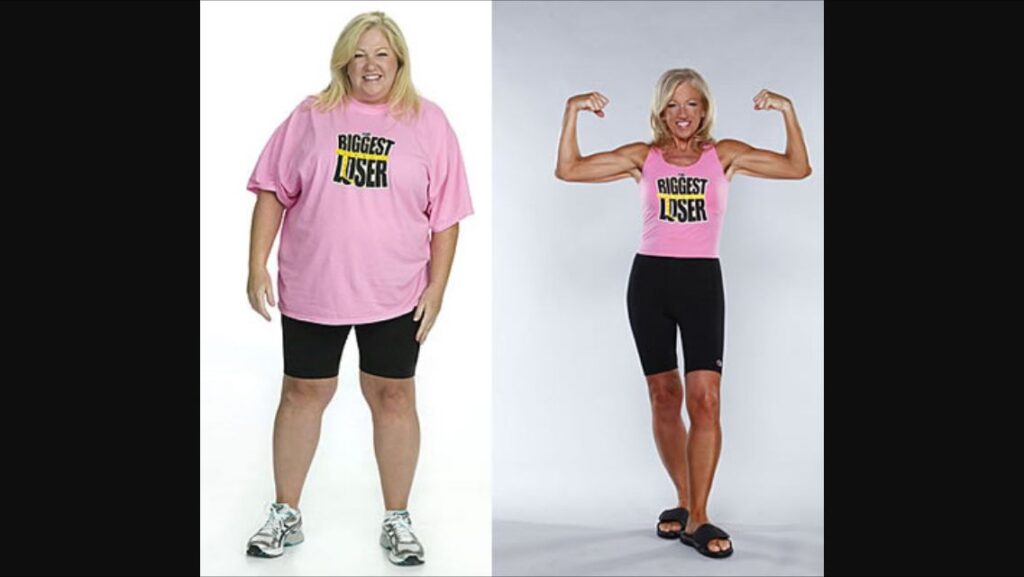
Documentary Dish: Netflix dropped this three-part series in 2025 called “Fit for TV: The Reality of The Biggest Loser” that puts the show under a microscope. It calls out the crazy-low calories (some people were eating like 800 calories a day!), those insane 8-hour workouts, the whole competition pressure cooker, zero mental health support, and basically abandoning contestants after the show wrapped. People are seriously questioning the coaches and the whole ethics of the show now. Recent Buzz: People magazine did this big spread on Michaels’s life after the show – she’s got books, podcasts, fitness apps, and she’s not shy about health issues. She’s also pretty vocal against jumping on the semaglutide bandwagon as your first option, and talks about her personal stuff and moving. Whether you’re Team Jillian or not, she’s definitely leveled up from TV trainer to full-on “health and culture commentator.”
TV Drama: Just a couple days ago, she got into this heated back-and-forth with a CNN host about “cultural institutions and politicization,” touching on race, gender, and cultural hot buttons. She’s definitely taken her health talk into the bigger playground of social and identity politics.
What Can Women’s Health Learn from This Brouwership?
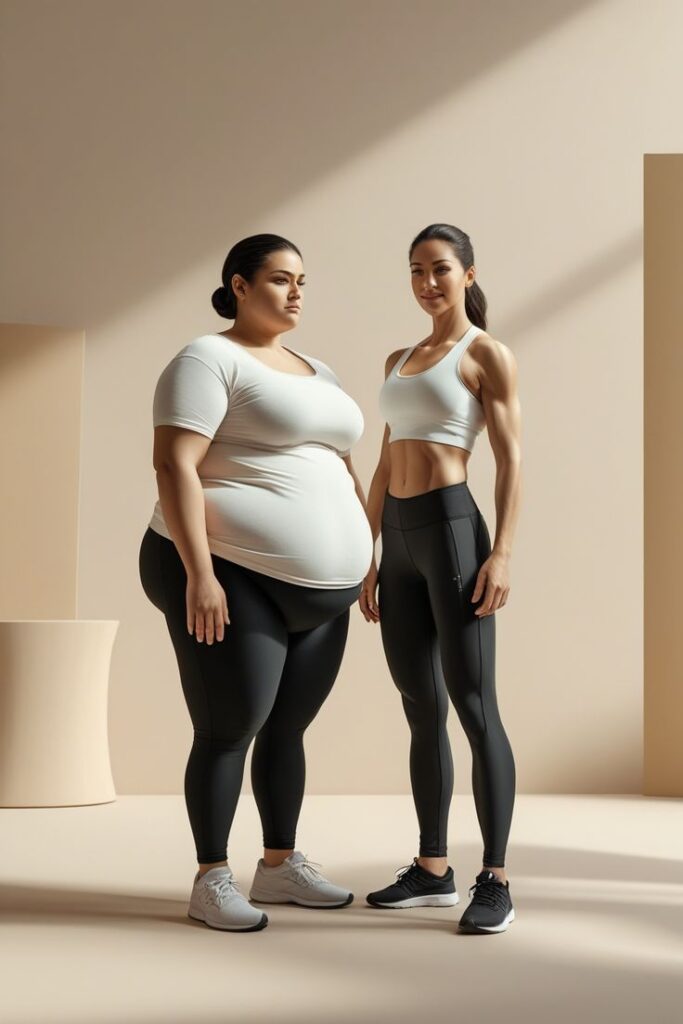
From “Skinny” to “Strong and Sustainable” Look, whether it’s reality TV or those before-and-after posts on Instagram, when we only care about women’s weight and looks, we push them into these crazy extremes: barely eating, cardio till you drop, and totally ignoring periods and bone health. This documentary drama is a wake-up call that quick fixes without therapy and follow-up usually backfire with metabolism issues, gaining the weight back, and sometimes eating disorders. We need to focus on “getting strong, building bone density, fixing metabolism, feeling emotionally good, sleeping well, and actually enjoying life.”
About those weight-loss shots: Let’s put GLP-1s in perspective. Michaels has been pretty vocal about people abusing these meds, and it’s sparked a ton of debate. Real talk: for people who actually need them (like folks with obesity complications), these meds are just one tool in the toolbox, not some magic solution. But yeah, be careful about taking them without a doctor’s okay. Whatever side you’re on, this should be about what your doctor thinks is right for you based on risks and benefits and long-term plans, not some moral judgment thing. All this media drama at least reminds us to stop with the “body shaming or celebrating” and focus on “what actually works for individual people.”
Who gets to define “health” anyway? When trainers, TV shows, and sponsors control the conversation, women just become props: those dramatic before-and-after pics, crying on camera, and crossing the finish line make for good TV but hide what health really means. The cool thing about New York City is that everyday life reminds you health is also about work-life balance, your commute, finding affordable food, and getting mental health support. At least this documentary drama has us asking: Who’s balancing program results with basic human dignity, clickbait with actual long-term health?
Turning Talk into Action: A Women’s Health-Friendly Weekly Plan That Actually Works
For a 12-week plan, here’s what matters most: strength training (for strong bones and metabolism) > protein and fiber (to feel full and boost metabolism) > sleep and mood (to stop stress eating) > cardio (for heart and lungs) > weighing yourself (as just one of many ways to track progress). Training (4 days a week, 30–45 minutes each)
Lower Body Strength: Squats/hip thrusts/deadlift variations, 8–12 reps x 3–4 sets
Upper Body Pushing and Pulling: Bench press or push-ups + rows/pulldowns, 8–12 reps x 3–4 sets
Core and Pelvic Floor: Reverse crunches/dead worms/bird dogs + Kegels or physical therapist-guided exercises
Zone Cardio 1–2 sessions: 12–20 minutes (RPE 7–8), with the remainder filled in with walking/commuting
Nutrition (just 3 easy rules to follow)
Protein goal: Body weight (kg) x 1.2–1.6 g/day; 25–35 g per meal
Fiber goal: 25–35 g/day; prioritize whole foods (fruits, vegetables, whole grains, legumes, nuts)
Structured snack: 1 after exercise Protein + carbs; replace random snacks with a “tryptophan-rich snack” at night.
Monitoring and Recovery
Dashboard: Mood/Energy/Sleep/Menstrual Symptoms/Training Load/Steps/Body Measurements (choose 2-3). Weight is just one number.
Sleep: Set a fixed bedtime alarm; cool your bedroom to 18-20°C; no caffeine after 2 PM.
Stress: Take 5 minutes to breathe or a quick 10-minute walk daily; get therapy if you need it.
About Medication and Medical Treatment
If your BMI, health issues, or weight loss history say you might need meds, talk to a doctor first. Don’t just follow what influencers say. Any medication should be part of your 12-week plan, including doctor check-ins, food, and exercise. Read the debates if you want, but only listen to your doctor about prescriptions.
My take on “reality show weight loss” (and why I’m all about that New York health vibe)
I’m all for pushing yourself, but using pain for TV drama or exploiting women’s bodies for clicks? Hard pass. I believe in using all the tools: exercise, food, sleep, therapy, and yes, meds and medical help when needed. I don’t think any single approach is either a miracle or evil.
I’m into “city-friendly” health: walking everywhere, workouts that don’t eat up your whole day, and clothes and meals you can mix and match. That’s what New York taught me, and it’s how you stick with it long-term.
Impact-Site-Verification: e454428f-e943-4321-9080-53cfe4562016